





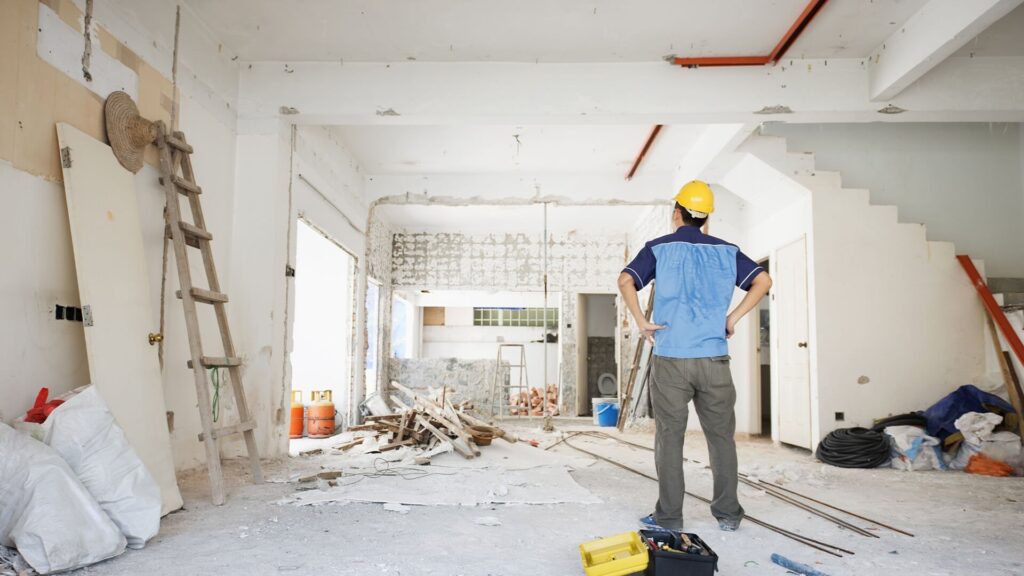
Home renovation projects can be exciting. Regardless of the reason for renovating your home, whether it’s to update an old kitchen, add more square footage to your home, or enhance the home’s functionality, renovations can add comfort and property value. But any project, no matter how well-intentioned, can easily turn into a stressful and expensive endeavor if common pitfalls are not recognized.
Many homeowners take on renovations without proper planning, thinking that it will be a breeze. In fact, home improvement projects that are successful take lots of planning, reasonable expectations, and attention to detail. By avoiding these common renovation pitfalls, you can help save time, money, and frustration, and you can help ensure that you get the results you want!
Starting Without a Clear Plan
The No. 1 mistake homeowners make is embarking on a renovation without a proper plan. When you have an idea for a project, it’s easy to get the sketch out and begin destroying the wall or ordering materials, but hatching a project prematurely can result in expensive changes as it progresses.
Develop a detailed work plan that includes your objectives, priorities, timeframe, and budget before you start any work. Think about the function of the revitalised space and what is most desirable. With a clear vision, you can avoid hasty decisions that could get the project mixed up.
Measurements, the material selection, and a realistic schedule are also part of the renovation plan. The smoother the renovation process will be, the more details that have been set up beforehand.
Underestimating the Budget
One of the most frequent causes of stress during renovations is the budget. While many homeowners think of basic prices like materials and labor, they do not think about other costs that may unexpectedly pop up during the building process.
Old wiring, plumbing, water leaks, and structural repair work can add up costs if it is not expected. Hence, oftentimes it is recommended to allocate an extra of 10% to 20% as a contingency.
If you are considering refurbishment, get a few quotes and look into the prices of materials carefully. Having a realistic budget aids in making informed decisions and lessens the chance of financial shock.
Choosing Style Over Functionality
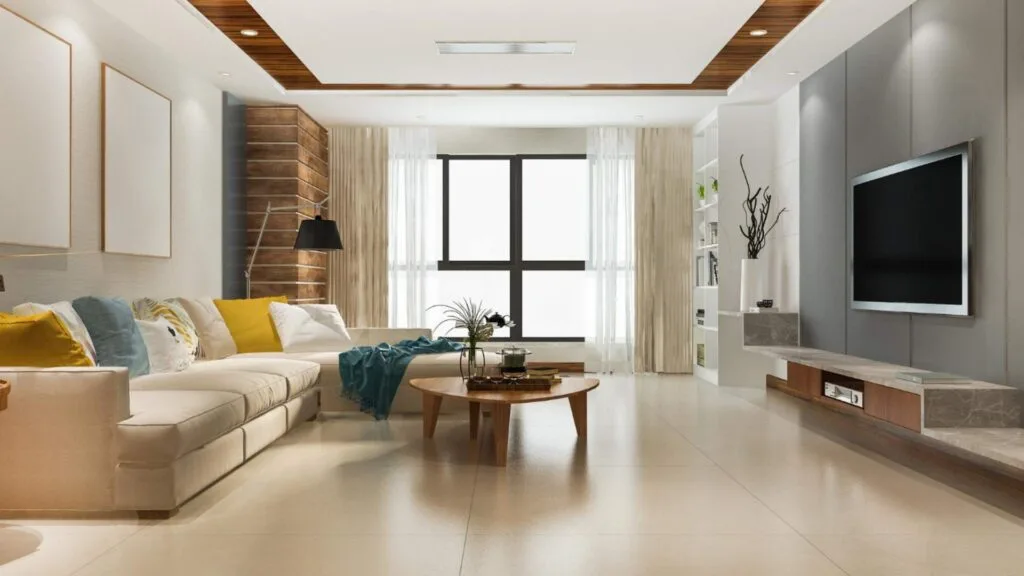
While an aesthetically pleasing design is significant, it is also essential that everything performs as it should. A renovation should make your home more functional and useful to you and your family, not just pretty.
For instance, the homeowners may opt for trendy kitchen designs that either cut down on storage space or place fancy fixtures that are hard to clean. These options can seem like the good ones in the beginning, but can be irritating in the long run.
When considering design options, think about how it will serve you in the future, in the next few years. Sometimes simple additions or changes are the most satisfying in the long term.
Hiring the Cheapest Contractor
While it is essential to save money, you should not choose a contractor because their bid is at the bottom of the list, and you expect to see great results. Very low quotes could be due to inexperience, poor materials for the job, or something that is not disclosed in the quote, but may be present in the project later on.
Consider more than just the price of a contractor; look at their qualifications, reputation, references, and communication skills. Request to see past projects and check for licensing and insurance needs in your area.
Although it is more expensive up front, a skilled contractor will be able to avoid costly delays or fixes later on because of quality craftsmanship.
Ignoring Necessary Permits
Many people don’t realize how vital building permits are for many homeowners. Permits could be needed for electrical, plumbing, structural, and big additions.
While they might be a time and cost-saving measure, skipping the permits can lead to major issues down the road. Unauthorized work may lead to fines, delays, insurance problems, and issues in selling the property.
Always verify local regulations and make sure to get all necessary permits before undertaking any large-scale renovation. In addition to legal obligations, you must take care of your investment and keep your home safe.
Following Trends Too Closely
Trends in home design are ever-changing. Mixing in a few contemporary details can invigorate an area, but a renovation based on the latest styles and technology might make a home look dated in a matter of years.
Things that are widely used right now could be unappealing in the future. Rather, stick to the basics of design and incorporate popular colors or decorate in a trendy way that can be changed at will.
Neutral colors, robust fabrics, and classic architectural elements often offer a better long-term value than stylistic trends.
Purchasing Low-Quality Materials
While it is a good idea to use the cheapest materials available, it can result in greater maintenance and replacement costs over time. Every day, flooring, countertops, cabinets, and fixtures are exposed to wear, and should be chosen accordingly.
Investing in quality materials can also lead to a more durable product and better performance. Durable products are products that are used on a regular basis without the need to be replaced for several years.
This is not to be the highest priced available. Rather, concentrate on materials that are of a high quality, easy to repair, and cost-effective.
Neglecting Energy Efficiency
A lot of homeowners miss chances to improve the energy efficiency of their homes when they’re having them renovated. Considering the fact that walls, floors, and systems are being updated, renovations are an ideal opportunity to make a contribution to energy conservation.
Other upgrades like better insulation, energy-efficient windows, LED lighting, and advanced HVAC systems can help lower utility costs and enhance comfort levels throughout the house.
Such enhancements can frequently result in long-term savings, even long after the renovation is finished.
Overlooking Storage Solutions
Many people tend to overlook storage in their home renovation plans, but this is one of the most valuable features in any home. If there is not enough storage space, a beautifully designed room can become cluttered in no time.
Use built-in shelving, custom cabinets, under-stair storage, or multi-purpose furniture as much as feasible. Proper storage solutions can contribute to the overall organization of the space and enhance its usability.
When renovating, try to look beyond the aesthetics and into the space in regard to how it will be used every day.
Failing to Plan for the Future
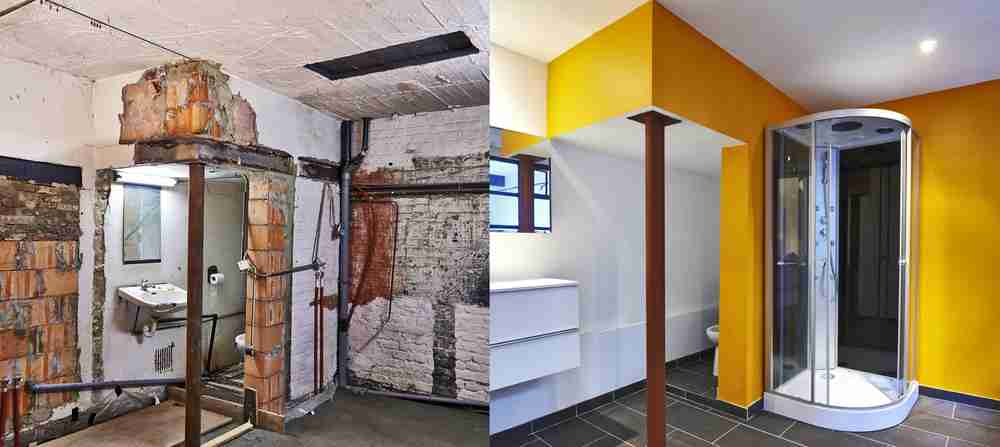
A renovation should be designed to meet current needs and also be prepared to adjust to future needs. Change in life and family grow, and mobility needs may also change over time.
When developing renovation ideas, ask yourself if it will work well in the future. With flexible layouts, accessible features, and adaptable spaces, your investment can have more longevity and value.
Future-oriented planning can lead to renovations that last for a much longer period and still function and look good.
Conclusion
While home improvements can make a significant difference in the look and feel of your home, planning and decision-making are very important in order to be successful. Homeowners can avoid common pitfalls like budgeting shortfalls, rushing projects, neglecting permits, and creating more flash than function with better results, while reducing stress.
All renovations are time and cost-intensive. By carefully planning, hiring skilled personnel, and prioritizing long-term value, you can ensure that your project is successful and that it achieves the desired results. When done correctly, your renovation can be a worthwhile addition to your home that will last for years.




More Stories
How Home Improvement Businesses Can Build Trust Through Useful Content
4 Signs You Need to Seek Help from Basement Leak Repair Services
How to Improve a Home Without Making It Feel Over-Renovated